The electric grid needs our help. Be it from new industrial complexes, data centers to serve all things AI, more gaming and electrification at home to electric vehicles, today’s energy demand requires more power than ever before.
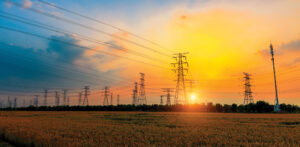
To keep up, new transmission equipment must be built, and existing transmission lines must be upgraded with the latest technology to move larger amounts of electricity, improve reliability and withstand Mother Nature. Transmission equipment is essential in moving large amounts of electricity from where power is produced to the communities rural electric co-ops serve.
Each year, thousands of power lines and poles are destroyed by more extreme weather, from derechos to icy blizzards. Historic winter storms like Uri and Fern seem to be making themselves at home in the South. The good news is that electric co-ops are completing transmission builds and breaking ground on new ones.
Generation and transmission co-ops that deliver wholesale power to electric co-ops are doing their part to reinforce regional transmission backbones with stronger poles and power lines. They are also developing projects to reach even the most remote wind, solar and other energy resources to power the grid.
But building new transmission takes a lot of time. Many years in fact. That’s not because of the construction itself but the painstaking process for gaining approvals from state and federal agencies.
Yet, Mary Ann Ralls, senior director and regulatory counsel for the National Rural Electric Cooperative Association (NRECA), said, “Electric co-ops are successfully demonstrating that their proposed facilities are necessary to relieve regional congestion and enhance system reliability.”
The public and owners of property where power lines will be hoisted to serve consumers also have a say when it comes to siting transmission and allowing projects to go forward. That’s where electric co-ops’ member relations really shine.
It’s not unusual for co-ops to go beyond the prescribed number of public hearings on a proposed transmission project and to meet concerned members where they are. That includes rotatory clubs or even one-on-one visits.
Electric co-ops exist to serve their members with safe, affordable and reliable electricity. Their ability to build strong ties with the communities they serve can go a long way when the need arises for critical infrastructure.
With their members in mind, co-ops seek out the most efficient ways to build transmission. For example, they upgrade lines in existing property rights-of-way and use the most durable technologies and equipment to keep costs in check and sustain reliability well into the future.
Increased power line capacity will reduce costs associated with transmission congestion, which makes moving energy across the grid particularly expensive. This in turn will help keep your monthly bill lower.
When co-ops can beef up power lines, economic benefits can be felt in the community, too. Rural areas with modern, high-voltage transmission are attractive to large job-creating businesses. Local employment and small business also experience upticks. For co-ops, taking on these complex projects comes down to serving their members.
“Electric co-ops have a long history of serving their members, and that commitment is driving their work to develop new transmission capacity to meet the nation’s rising electricity demand,” said Patti Metro, NRECA’s senior grid operations and reliability director.
PHOTO COURTESY OF NRECA