
Freshly harvested pumpkins, gourds and squash now decorate front porches across the state, adding festive charm to the autumn season. These fruits are members of the cucurbit family, along with cucumbers and melons. They serve as multifunctional fruits in the fall, often used as both flavorful food and natural art and decor.
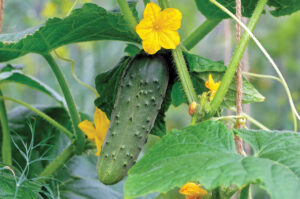
These vining plants are planted in the spring and grow large leaves and long, sprawling vines that easily reach 20 to 30 feet by the end of summer. After the flowers are pollinated by bees and other pollinators, tiny green fruit begins to form, gradually ripening into the colorful, unique produce we associate with autumn.
Pumpkins are 90% water and contain hundreds of seeds within their fleshy interior. They thrive in hot, dry weather, but when actively growing in the summer, they need at least 1 inch of water per week for good fruit development. The high water content makes pumpkins a delectable, low-calorie food. Pumpkin seeds can be harvested from the inside of pumpkins when carving and roasted in the oven for a nutritious, crunchy treat.
Turnips, beets and potatoes were first used as jack-o’-lanterns to scare away evil spirits. Today, we use the classic orange pumpkin to carve intricate designs for a glowing nighttime display. While these pumpkins are perfect for carving, they do not make good baking or pie pumpkins. Instead, choose a buckskin pumpkin with sweet, orange flesh, just like pumpkin canneries use.
The largest pumpkin ever grown weighed 2,749 pounds, which a horticulture teacher from Minnesota proudly grew for a new world record in 2023. If growing one of these massive fruits is on your bucket list, beware that they take meticulous maintenance and care. These jumbo varieties, which require around 120 days to mature, are often started indoors before spring temperatures are warm enough to plant outside.
Gourds are hard-shelled fruits that are not edible. Once used as utensils, musical instruments, toys and storage containers, they are now typically used for painted crafts, birdhouses and ornamental decorations for fall.
Squash is categorized as either “summer” or “winter” fruit. Summer squash, like zucchini, is harvested throughout the summer as young fruit. Winter squash is harvested in the fall and is typically grown for winter storage. Depending on the variety of winter squash, they can be stored in a cool, dry, well-ventilated space for anywhere from one month to six. Winter squash adds a rich flavor to hearty autumnal recipes, including soups, casseroles and baked goods.
Crops in the cucurbit family can cross-pollinate with each other, resulting in a unique harvest the following year if the seeds are allowed to grow. Some may consider the fruit deformed or unsightly, while others will find it a fun experiment to see what new monstrosity grows.
If you want true-to-type pumpkins, gourds or squash, it’s best to buy new seeds every year. Garden centers and seed companies have a plethora of old and new varieties. Plan carefully, as cucurbits are notorious for taking over a garden … but their colors and delicious flavors make it worth the space.