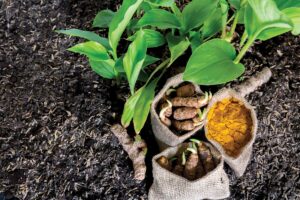

Houseplants can add a vibrant, natural touch to any indoor space with their lush green foliage. However, pet owners should be cautious since many popular houseplants are toxic to animals. The level of toxicity varies by plant — some may cause mild gastrointestinal discomfort, while others can be life-threatening.
Several common houseplants should be kept out of reach of pets due to their toxic properties. These include pothos, aloe vera, lilies (such as calla and peace lilies), dieffenbachia, schefflera, monstera, kalanchoe, English ivy, caladiums, anthurium and aglaonema (Chinese evergreen). Additionally, popular holiday plants like poinsettias, cyclamen and Easter lilies can also pose risks to pets and should be handled with care.
Beautiful, pet-safe houseplants to consider growing include a variety of nontoxic options that add greenery without putting your beloved animals at risk.
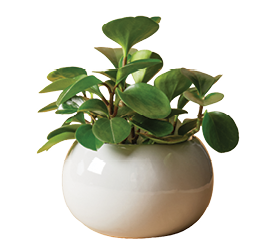
Peperomia
With more than 1,000 varieties, peperomia plants offer a range of leaf shapes, textures, colors and sizes, giving each one a unique appearance. They thrive in low to medium light, especially near east- or north-facing windows. Peperomia are sensitive to overwatering, so allow the soil to dry slightly between waterings to prevent root rot.
Compact and ideal for small spaces, they typically grow just 6 to 12 inches tall. Pests or diseases are rarely a problem with their thick, fleshy foliage. Peperomia can be propagated easily through division or leaf cuttings.
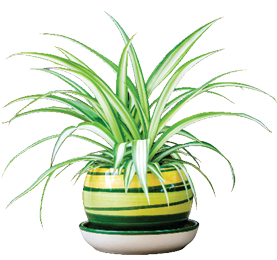
Spider plant
A longtime favorite houseplant, spider plants are known for their arching stems that produce small plantlets, making them easy to propagate. Their white and green variegated foliage forms a dense, attractive clump in containers. Spider plants thrive in bright, indirect light and prefer their soil to dry slightly between waterings.
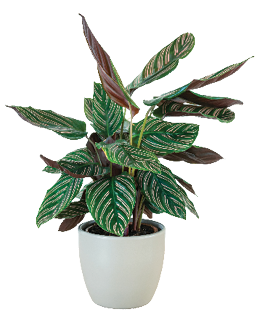
Prayer plant
Known for its striking, patterned foliage, the prayer plant adds a vibrant touch of color and texture to any indoor space. When grown in bright, indirect light, it can reach up to 18 inches tall indoors. For healthy growth, it requires high humidity and consistently moist soil. To boost humidity, especially during winter, place the pot on a tray filled with water and pebbles or lightly mist the leaves to prevent browning or curling edges.
Air plant
These low-maintenance epiphytes absorb water and nutrients through their leaves rather than roots. With more than 500 species, they thrive in bright, indirect light and good air circulation. These silver-green tufts range from 1 to 6 inches wide and can be misted, rinsed or soaked for hydration. Signs of dehydration include curling leaves, dull color and browning tips. Since they don’t require soil, air plants can be displayed creatively on wood, rocks or in terrariums, making them a versatile addition to any space.
Take a walk through your home and ensure all houseplants are safe for Fido and friends. This winter, consider adding a few pet-friendly plants to your collection for a touch of greenery that is safe for everyone.