
Saving energy doesn’t have to be expensive or time consuming. You don’t need to spend thousands of dollars or get the newest technology to use less energy. There are several ways to lower energy use, even on a tight budget.
No-cost ways
Adjusting the thermostat is an easy way to save. Nudge the thermostat a few degrees closer to the outside temperature, especially on extreme weather days. I often hear people say, “I didn’t change anything, and my bill is higher.”
On the hottest and coldest days, your heating and cooling equipment must work much harder and use more energy to maintain the same temperature. Add an extra layer of clothes or some cozy slippers in the winter and lighter layers in summer.
Fix any hot water leaks or dripping faucets. Those tiny drips can add up to big energy waste, not to mention water waste. If you need to hire a pro to fix it, turn the shutoff valve under the sink to stop the leak until you can get it fixed.
Wash clothes in cold water to avoid using the energy required to heat it. Washing on hot or warm settings can really add up, especially if you have a top-load or older washing machine that uses more water.
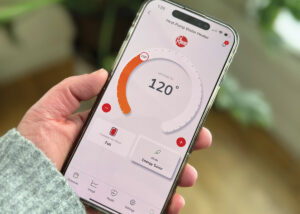
Adjusting the temperature on your water heater can save energy and money, too. Depending on the water heater, this is either an easy adjustment or something a little more complicated that requires removing access panels. If you don’t know how, consult a professional.
Low-cost ways
Air sealing is a do-it-yourself, beginner-friendly project that improves comfort and reduces energy waste. For around $20 and a couple of hours of time, you can fill gaps, cracks and holes to prevent air from leaking in and out of the home. Inside, seal trim on windows and exterior doors with caulk for about $4 a tube. Buy paintable caulk so you can touch it up when it dries, if needed.
A can of spray foam is about $5 and seals gaps around plumbing lines. It’s great for sealing gaps around pipes under sinks and in the crawlspace or basement. Cold air can travel up through those spaces, causing drafts and wasting energy. Air sealing these areas gets bonus points for stopping insects and rodents from using these gaps to enter your home.
Spray foam is messy and nearly impossible to get off whatever it touches, so wear disposable gloves and clothes you don’t mind dirtying and use dropcloths to protect finished floors. Be careful if you’re working with spray foam overhead. If you get it in your hair, it’s not coming out with anything less than a haircut.
Move any items and clean surfaces of dust and debris in areas you intend to seal before cracking open a can. Put the can in a cardboard box to carry throughout the house so you don’t leave a trail of spray foam.
For $10 to $15, you can buy weatherstripping to improve the seal on exterior doors. If you can see light around doors or feel a draft between the door and the doorjamb when the door is closed, weatherstripping will help.
Try these easy, low- and no-cost methods to reduce energy waste and improve comfort in your home. 
Photo by Mark Gilliland/Pioneer Utility Resources