
Your electric cooperative works hard to ensure safe, reliable power to homes and businesses 24/7. To make sure everyone has the power they need, generation must match consumption and have the capacity to adjust to changing demands for energy.
Peak demand is the period in a given range of time — day, month or year — when electricity use is highest. It’s caused by many people using energy-consuming equipment at the same time. It differs based on geography, weather and time of year. For example, demand is typically highest on hot summer afternoons and cold winter mornings. Most utilities also experience daily peaks when people are getting ready in the mornings and returning home in the evenings.
When everyone uses more energy at the same time, it puts more stress on the electric grid and requires more expensive electricity to meet the need. Electricity pricing is based on supply and demand. The price of electricity is higher when the demand is higher.
To lower energy use and strain on the grid during peak times, there are habits we can adopt in our homes.
Let’s look at two examples.
Joe and John arrive home from work at 5:30 p.m. They both turn on the oven to make dinner.
While John waits for the oven to preheat, he throws in a load of laundry. He finishes dinner, cleans up and starts the dishwasher. Then, he moves the clothes to the dryer.
Joe finishes dinner, loads the dishwasher and sets it to start at 10 p.m. He puts a load of laundry in the washing machine and later that evening switches it over to the dryer.
Although they use the same appliances and amount of energy, John uses it all at once, running multiple appliances during peak hours, creating higher demand and more strain on the electric grid while using more expensive energy.
To lower your demand, spread electricity use throughout the day and avoid peak times as much as possible. This will reduce the utility’s cost of supplying electricity to your home. Another benefit of shifting your use to midday is integrating renewable energy, such as solar, which produces energy when the sun is shining.
Large appliances — including washers, dryers, ovens, water heaters and air conditioners — have the biggest impact. Using them during off-peak hours or one at a time can help.
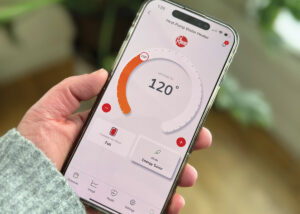
Automate as much as possible. Most electric vehicle chargers can be set to charge during scheduled hours with built-in timers or apps. Most modern dishwashers have delay-start features. If you have a pool, set the pool pump to run in the middle of the day.
You can also automate air conditioning. Simple, free adjustments, such as closing your curtains on hot afternoons and evenings, can help, too.
Keep in mind that extreme weather also puts extra stress on the grid. Taking it easy on your energy use during extreme weather events can help prevent outages. Spreading out your energy use helps your utility keep costs down and benefits your local energy grid.