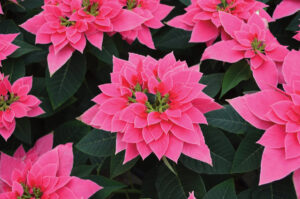

Your garden’s blooms may fade with the cool fall temperatures, but their beauty doesn’t have to disappear. Capture the essence of your flowers and extend it into the cooler months by preserving blossoms and foliage. Let your garden live on this fall.
Drying flowers has deep roots. Colonial Americans embraced the art to brighten their homes through winter. Today, you can continue this tradition by bringing nature indoors with lovely, long-lasting creations. Dried flowers and foliage from your garden can be used to create a rustic wreath, fragrant potpourri, a delicate vase display or handmade gifts.
Drying flowers is a simple and budget-friendly craft that’s accessible to everyone. You can gather materials year-round during your time spent outdoors, turning everyday nature walks into mini treasure hunts. For best results, harvest flowers in the early afternoon when their moisture content is at its lowest.
Don’t be afraid to be picky — select only vibrant blooms free from blemishes or damage. Avoid harvesting at times when dew or raindrops are on the plants, as this is just added moisture that increases drying time. A little care during harvest means longer-lasting beauty when those blossoms transition from garden to keepsake.
Everlasting flowers like strawflower, gomphrena, statice, celosia and yarrow have dry, paper-like blooms and are easily preserved. Lavender, liatris, marigolds and zinnias also make great dried flowers. Blooms from the shrubs of hydrangea, roses and peonies are show-stoppers even when dried.
Nearly all types of foliage can be dried and preserved — just steer clear of leaves that are thick and succulent, as they tend to retain too much moisture and resist the drying process. For best results, select foliage that’s more delicate or papery in texture. These hold up beautifully and offer lasting charm in your arrangements.
Seed pods, sculptural twigs, pinecones, vibrant berries and the feathery tufts of ornamental grasses all bring unique shapes and earthy tones to your dried arrangements. These unexpected elements add depth and texture, making your creations truly one-of-a-kind.
There are several ways to preserve plants — air drying, pressing and using drying agents — but air drying is the easiest and most accessible method. Start by removing the leaves from the stems and bundling small groups with string or rubber bands. Hang them upside down in a warm, dark space with good air circulation to prevent mold growth.
The upside-down position helps keep stems straight and flowers looking as they did in full bloom. In about two weeks (depending on the plant’s moisture level and the room’s temperature), the flowers will be stiff and dry to the touch. At this stage, the preserved botanicals are ready to be used.
Pressing flowers preserves the color and form of flowers and leaves artistically. Flat or single flowers like pansies, daisies and petunias, as well as ferns and tree leaves, all retain their shape well when preserved this way. Place your plant materials between sheets of newspaper and apply consistent pressure with a heavy object, like a stack of books.
The leaves typically dry within a week, while flowers may take two to three weeks depending on their thickness and moisture. Once dried, these pressed pieces are perfect for creating botanical keepsakes such as handmade bookmarks, greeting cards or even artfully framed arrangements that bring a bit of nature indoors.