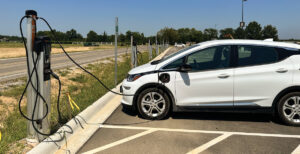

Electric vehicles have undergone a notable shift over the past year. New policies, changing consumer demand and decisions by automakers are shaping the current EV market and what may come next.
One major turning point came with the expiration of the $7,500 federal EV tax credit in September 2025. The effect on new EV sales was immediate. Transaction prices effectively rose across the board, and lease deals that previously made EVs more accessible largely disappeared.
Sales figures show two clear trends. In late 2025, many people rushed to purchase EVs before the tax credit ended. This resulted in a 44% spike in sales. Afterward, EV sales quickly declined.
In early 2026, Americans purchased 212,600 EVs, which was a 28% drop compared to early 2025. The EV market share also fell to 5.8%, down from a high of 7.5%. But that decline might be slowing.
With more leased vehicles being returned and resold, the used EV market is growing with a reported sales increase of 12% in early 2026. New EV price tags have also dropped more than 12% since demand slowed.
Another trend shows automakers are adjusting their focus. Ford is shifting part of its EV battery production to manufacture batteries for other uses, like data centers and electric utility equipment.
General Motors is also making changes, with a sharper focus on self-driving vehicle technologies. While these shifts are a result of slower EV sales, both companies continue to manufacture EVs.
Even with slower sales, new, lower-cost EV models are becoming available.
The 2026 Chevy Equinox EV starts at under $35,000 and can travel up to 319 miles on a single charge. Pricing for some newer models, like the Nissan LEAF and the Chevy Bolt, is expected to start under $30,000. These lower prices might prompt more drivers to consider EV options.
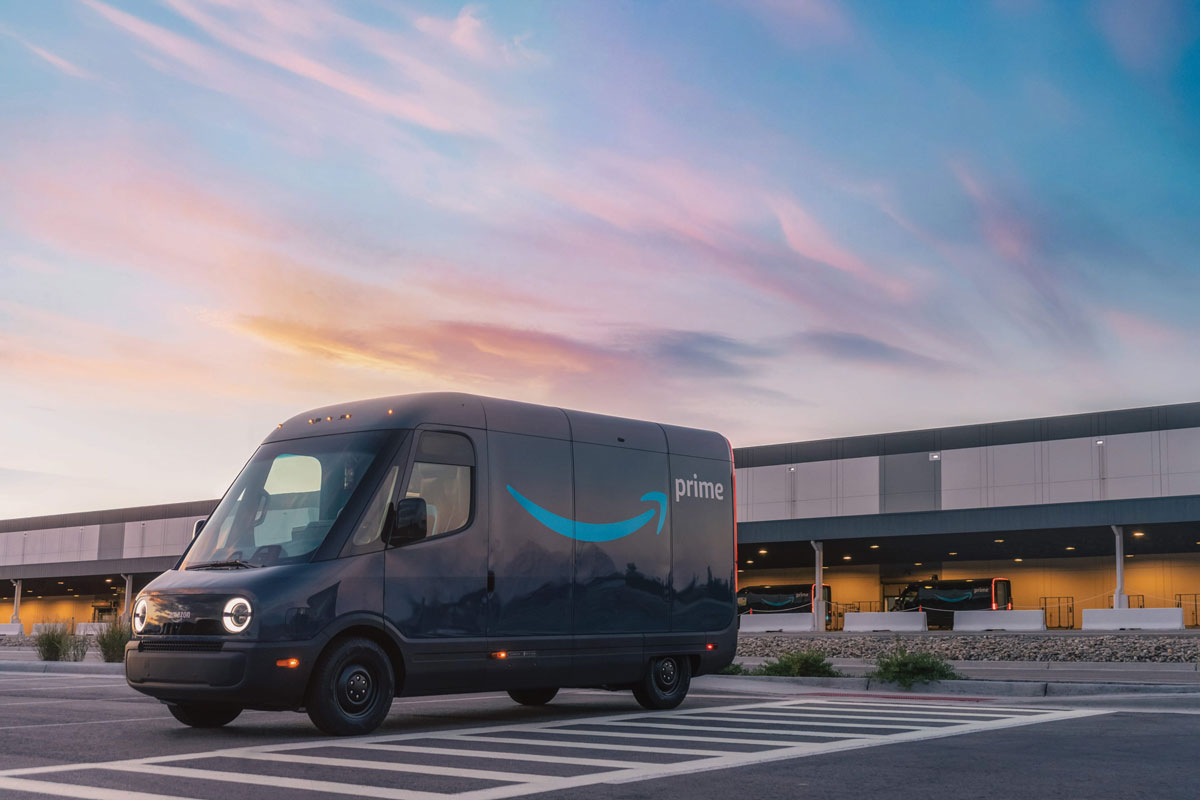
One area where EV growth remains strong is commercial and delivery fleets. Companies like Amazon, UPS and FedEx are adding electric vans and trucks to their daily operations. Amazon is rolling out thousands of electric delivery vehicles manufactured by Rivian, which are now a common sight in many communities.
Fleet vehicles are a good fit for electrification because they follow set routes, return to a central location each day and can charge overnight. This makes costs more predictable and easier to manage. Companies are expected to continue investing in EV fleets.
Even with slow sales, EVs represent a growing source of electricity demand. The U.S. Department of Energy projects that in rural areas, home-based Level 1 and Level 2 charging could meet 82% of EV electricity demand by 2030.
While the pace of EV adoption in the U.S. remains uncertain, electric co-ops are well positioned to adapt. By planning ahead and staying flexible, co-ops will continue to provide reliable, affordable power while supporting members as their energy needs evolve.