
Farmers play a crucial role in keeping communities across Illinois thriving. As the harvest season ends and fields are prepared for the year ahead, we remind farmers to exercise caution when conducting controlled burns near utility poles and other electrical equipment.
Over the next few months, many farmers may conduct controlled burns to clear crop stubble and weeds as they prepare fields for spring planting. While controlled burns are an effective way to manage agricultural land, they can also pose serious risks to nearby utility poles, power lines and other electrical equipment.
Every year, utility poles are damaged during controlled burns in fields, along roadsides and in ditches. The danger is compounded because damage to poles may not be immediately visible after the fire has passed.
When exposed to fire, poles can sustain hidden damage. Embers can become lodged in cracks or other openings in the pole and continue burning inside long after the flames have disappeared. In some cases, a utility pole can burn from the inside out and collapse hours or even days after a controlled burn has ended.
A damaged utility pole can create a dangerous situation for farm workers, co-op crews and the public. Repairing or replacing a utility pole can be expensive and time-consuming. More importantly, a weakened pole can fall unexpectedly, bringing power lines down with it.
Depending on the location and extent of the fire damage, a single compromised pole can quickly result in power outages affecting homes, farms, businesses and near-by communities. Farmers planning controlled burns should keep the following important safety measures in mind:
- Maintain a safe distance from utility equipment. Avoid burning directly beneath or near utility poles, guy wires, transformers and other electrical equipment.
- Monitor the weather. Avoid burning during dry, windy conditions when flames and embers can spread quickly.
- Create firebreaks. Clear vegetation and other combustible materials from the area to keep the fire contained.
- Have water and fire suppression equipment nearby. Be prepared to respond if the fire moves beyond the intended burn area.
- Monitor the fire until it is completely extinguished. Never assume a fire is out simply because flames are no longer visible.
- Inspect nearby utility poles after the burn. If a pole is actively burning, call the fire department. If a pole appears scorched, damaged or otherwise compromised, contact your electric cooperative. Never attempt to repair electrical equipment yourself.
Controlled burns can be an important part of agricultural operations, but they should be conducted safely. If you have questions about how a planned burn could affect nearby electrical equipment, contact your electric cooperative before you begin.
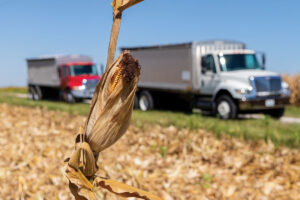
Photo courtesy of Jeremy Smith, USDA