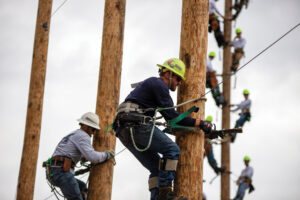
When disaster strikes, electric cooperatives answer the call, even when that call comes from hundreds of miles away. Seventy-four lineworkers from 18 Illinois electric cooperatives traveled to southeastern Alabama in October to assist Wiregrass Electric Cooperative with power restoration following Hurricane Isaias.
The hurricane made landfall along the Gulf Coast on Oct. 9, bringing destructive winds that toppled trees, damaged utility poles and power lines, and left hundreds of thousands without electricity across the region.
According to the National Rural Electric Cooperative Association (NRECA), approximately 250,000 electric cooperative members, primarily in Florida, Georgia and Alabama, lost power during the storm.
Wiregrass Electric Cooperative, headquartered in Hartford, Ala., was among the hardest hit. At the peak of the storm, approximately 18,000 of its members were without electricity, leaving most of its system in the dark.
As the hurricane moved through the region, dangerous conditions initially prevented crews from safely beginning restoration work. Once conditions improved, crews began assessing damage and repairing the cooperative’s electrical infrastructure.
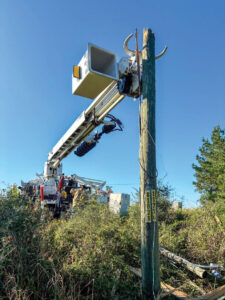
On Oct. 10, Wiregrass Electric requested mutual aid assistance. The majority of Illinois’ electric cooperatives answered the call and were able to send 74 lineworkers to Alabama.
“This response is a powerful example of cooperation among cooperatives — working together, sharing resources, and supporting fellow cooperatives to help restore service and make a difference,” Tri-County Electric Cooperative posted on Facebook. “When one cooperative needs help, others step up to lend a hand. That’s the cooperative way.”
Illinois lineworkers joined crews from several other states in the massive restoration effort. By Oct. 11, nearly 300 personnel, including Wiregrass employees, contractors, mutual aid crews and right-of-way workers, were working across the cooperative’s service territory.
The widespread damage presented significant challenges. Crews encountered downed trees, broken poles and damaged power lines as they worked to restore electricity as quickly and safely as possible.
Their efforts quickly made a difference. By Oct. 11, the number of meters without electricity had dropped from approximately 18,000 to 8,000. Progress continued over the following days. By Oct. 13, fewer than 30 Wiregrass meters remained without electricity, according to NRECA.
“This is a tremendous milestone for our cooperative and the communities we serve,” said Wiregrass CEO Brad Kimbro. “Our crews and the many teams assisting us have accomplished an incredible amount of work in a short period of time.”
The Illinois crews were released to return home Oct. 13.
“We’re thankful our guys made it home safely and that the Wiregrass membership is back on with reliable electric service,” Clinton County Electric Cooperative posted on Facebook. “This is what the cooperative spirit is all about.”