
Being well rested matters, but across rural America, sleep is quietly becoming harder to come by. Shift work, long commutes, caregiving duties, economic pressures and nonstop screen time all chip away at rest — and the consequences ripple through families, workplaces and communities.
Sleep is a basic health need, not a luxury. Irregular schedules disrupt the circadian rhythm, and chronic sleep loss increases many health risks. However, it is important to understand that a sleep problem is not a personal failure. Change is possible.
Rural sleep under pressure
For Curtis Chlouber, a construction foreman at Cimarron Electric Cooperative in Oklahoma, routine is important for quality sleep, especially in his line of work where safety is crucial.
“When you’re dragging the day after not getting good sleep, you miss little things,” he says. “Every day is a little different, so you have to be ready to adapt and be alert even if it’s something you’ve done a hundred times.”
Chlouber wakes at 5:30 a.m. and is on the job by 7 a.m. Some weeks, his job means long drives to distant parts of the system before the real work even begins. After finishing his workday around 4:30 p.m., he heads straight to the gym, then home to help with dinner, baths, homework and bedtime for his three young children. Most nights, he’s in bed by 9 or 10 p.m. But once a week, he’s on call, which can disrupt his routine.
“The hardest thing is getting called in the middle of the night after you’ve been sleeping for a few hours,” Chlouber says. “I take precautions and don’t hesitate to pull over just to walk laps around my car and wake myself up.”
Mikala Jordan is the sleep lab supervisor for Mercy Health. She says that kind of disruption is common in rural occupations, and it interrupts the body’s natural sleep rhythm.
“The main issue with shift workers is they’re not getting that natural sunlight at the normal hours of the day,” she says. “As a shift worker, you might be jumping back and forth between schedules. Or if you’re on your last shift of the week and you come home, and instead of going to sleep, you make yourself stay awake to spend time with family or do other things. But having a set schedule and sticking to it is super helpful to avoid negative long-term effects.”
Add potentially long commutes, seasonal workloads, financial stress and caregiving responsibilities, and quality sleep becomes even harder to protect.
Taryn Edwards is an executive assistant for Great Plains Sleep Specialist and a sleep lab supervisor for Oklahoma State University’s sleep center. She says sleep disorders are often underdiagnosed in rural areas.
“People just don’t realize that their symptoms are medical issues, or they might not have access to sleep specialists,” she says.
The cost of poor sleep
Experts warn that the cost of poor sleep is much greater than people may think. Over time, chronic sleep loss is linked to increased risk of heart disease, diabetes, depression, obesity and cognitive decline, according to the National Institutes of Health. Harvard Medical School research also found it raises the likelihood of workplace errors, leading
to injuries and motor vehicle accidents.
Edwards says lack of sleep also affects people mentally and emotionally, even if they might not realize it’s sleep-related.
“People might be more irritable, forgetful, they can’t think straight or focus,” she says. “Sleep isn’t a luxury, it’s a basic health need. When sleep disorders go untreated, they also affect someone’s family, workplace or school and even other people on the road.
“Thankfully, sleep disorders are very treatable. They just rarely get better on their own, so the earlier people address them, the better the outcome.”
A sleep reset
Jordan emphasizes that there are simple ways to improve your sleep without expensive or unrealistic means. Small, practical changes can make a measurable difference.
- Protect your schedule. One of the biggest things to improve sleep quality is having a schedule that you’re sticking to as much as possible. Consistency matters more than perfection, so going to bed and waking up at roughly the same time helps reset the body’s internal clock. If you get an unexpected wake-up call, Jordan recommends going back to the normal routine as soon as possible.
- Mind your lighting. Bright, cool-toned bulbs and screens in the evening signal the brain to stay alert, so avoid them if possible. Ideally, that means no TV or phone time 30-60 minutes before bed.
- Create a sleep sanctuary. To improve sleep, your room should be dark and cool with a comfortable mattress and pillow. Jordan also recommends some sort of white noise and only using your bedroom to sleep. That means you’re not watching TV while you’re in your bed.
“Your circadian rhythm takes a while to reset. If you’re consistent with the changes, I’d say give it about a week before you might start to notice improvements,” Jordan says. “If you’re still experiencing a lot of sleep issues after making consistent changes, I would definitely seek additional help to make sure there’s not any underlying issues.”
When and how to ask for help
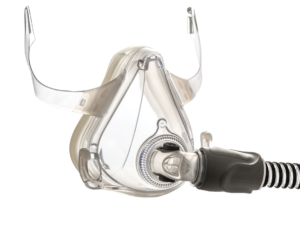
Sometimes, sleep problems aren’t just about habits. Experts warn that underlying conditions could include things like narcolepsy and restless leg syndrome. However, one of the most prevalent sleep disorders is sleep apnea. According to the American Academy of Sleep Medicine, sleep apnea affects nearly 30 million Americans, and an estimated 80% of cases remain undiagnosed.
“Sleep apnea is incredibly common, especially among men,” Jordan says. “And many people put off testing because they don’t want to deal with a CPAP machine, which is the gold standard for treatment.”
But not addressing a potential sleep disorder could lead to worse health outcomes down the road, and today, testing options are more accessible than ever. Patients can complete a home sleep study, picking up a small device to wear overnight and returning it the next day. Follow-up care and monitoring are often available through telehealth.
“If something feels off, talk to your primary care provider,” Jordan says. “Write symptoms down. Bring a partner who’s noticed changes. Your doctor is there to help, not judge.”
Sleep better, and use less energy
-
Lower the thermostat at night. Temperatures at 68 degrees and lower support better sleep.
-
Use fans. Ceiling or box fans improve air circulation and lower the need for air conditioning. In cooler months, remember to reverse ceiling fan direction to distribute warm air.
-
Dim the lights. Dimming the lights after sunset supports natural sleep rhythms and uses less electricity. Warmer light bulbs are also better for supporting sleep.
-
Keep it dark. A dark, cool bedroom is ideal for better sleep, and it often means less lights, appliances and systems running overnight.
-
Block disruptions out. Blackout curtains or thick shades keep outdoor light out and help regulate room temperature, keeping bedrooms darker, cooler and more comfortable.